We did it! We sold every single ticket for The Big Lerfin’ Fundraiser (details here), which means on the 3rd July there will be 70 Lerfers descending on Weymouth to chat, catch lots of species and compete for prizes. It got me thinking that LRF may be having another renaissance, so I wanted to delve into that a bit here…

In my first article on this blog, I said that LRF had returned to a much more niche part of angling. That was three years ago. Although it will always be niche, a small increase makes a big difference and I have seen that happening over the last couple of years. I can see this through the viewing figures on my blog or LRF YouTube videos by the likes of Devon Lerfer. There is clearly an interest out there and hints that LRF keeps finding a new audience.

I wrote an ‘Intro to LRF’ for Fishing Tails recently (you can find that here), where I explained the basics of LRF. If what I’m saying right now is feeling alien to you that article may help. What I didn’t go into there was how the popularity of the technique has waxed and waned over the years.

When Lerfing first burst onto the scene in the late 2000s, tackle shops, companies and content creators rushed to get involved. This led to a first generation of Japanese imports, exciting new rods and eventually home grown tackle. There was a real wave of creativity as anglers worked out what they could target on ultralight tackle and tiny lures. In my hometown of Plymouth, there was a growing scene of innovative anglers targeting fish normally ignored. This was replicated across the country in various guises and groups, some still going today.

LRF was an ideal way to keep lure fishing during the colder months, when the bass become harder to find. This led to lots of winter species hunt competitions, leagues and get togethers. The benefit of LRF being you can have a chat while you fish and not take yourself too seriously. Although, for those who did take it seriously, the catches could be impressive…

Classic bait species were now taking artificials; specimen flounder, ballan wrasse, rockling, garfish, gurnard, cod, coalfish… the list went on and on. For the even nerdier and insane Lerfer, they were finding how many species of goby could be caught, how many wrasse species there were and even rockpool rarities like clingfish were being caught. It must have been exciting to ride that first wave of LRF.

What was I doing during this time..? Drinking mostly! I was barely into my 20s and had little interest in fishing in those years. I did, however, eventually see sense and picked the rods back up by the age of 25, just in time to miss the LRF train! By the time I had even heard of the technique it’s popularity had fallen quite dramatically. There were still social media groups, occasional competitions and tackle shops that sold the stuff, but it was on it’s way out. One of my favourite moments being when I picked up a pack of small lures in an (admittedly rubbish) tackle shop, only to be told ‘LRF is dead!’ … Strong sales pitch mate!

I was attracted to the Lerf’ because I was interested in species hunting. I was shown the Plymouth LRF group on Facebook and took to researching this intriguing way of fishing. My first purchase was a Shakespeare Agility solid tipped rod rated for casting up to 7g, a bargain at around £40. Matching that with the Agility reel I got fishing. At first I used bits of ragworm, but I had heard about Isome and Gulp worms and wanted to try ‘proper LRF’ as I had seen online. This led to lots of experimenting with the scented worms and provided a gateway to using other soft plastics, light metal jigs and the rest.

Inspired by the blogs I was reading at the time, in particular Dominic Garnett’s, I tried it myself. This was a learning experience and eventually led me to WordPress and this blog you are reading. It’s during this time that I fished a lot with Richard Salter (Devon Lerfer), Maurice Mitchinton, Will Pender and a few others, who quietly kept plugging away with LRF whilst it’s popularity really waned.
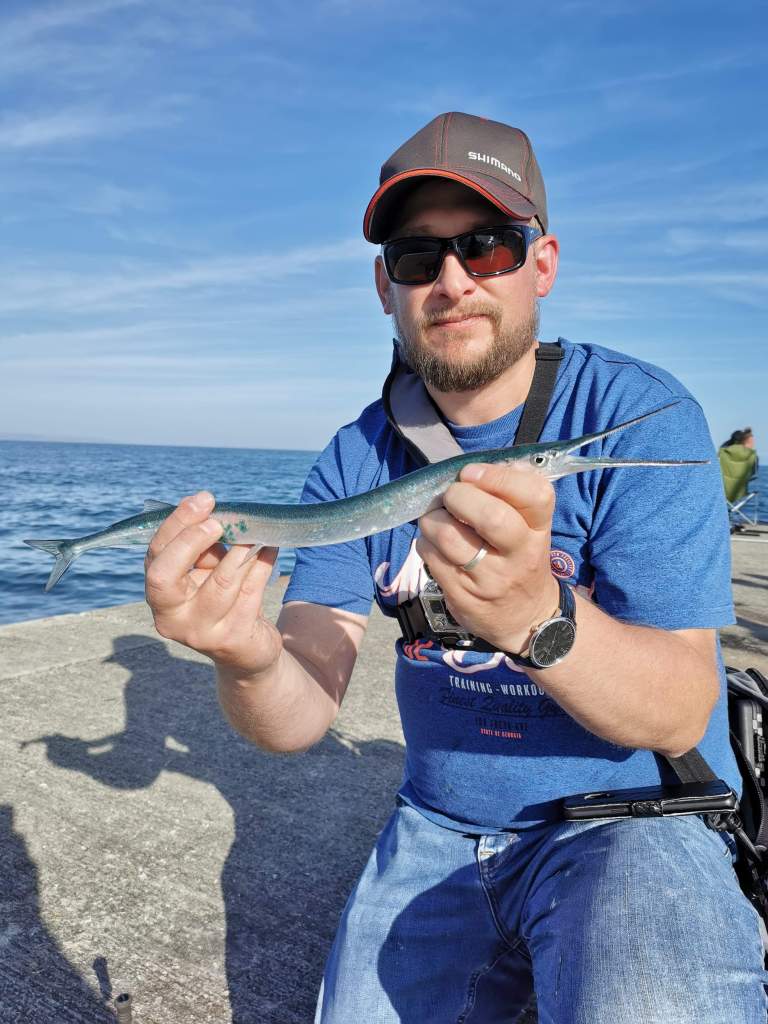
The winds of change are blowing though I think. Whether it is due to the many lockdowns or something else, LRF is finding it’s audience again. Not in a ‘everyone is doing it’ kind of way, but there is clearly growing interest in this section of angling.

We have anglers importing tackle direct from Japan and selling for a small profit, we have the likes of Prime Angling, Osborne And Cragg and Chesil Bait and Tackle doing the same. Majorcraft and Keitech are both pushing the LRF agenda again, a huge thanks to Andy Mytton (himself an LRF legend) for that.

I have also enjoyed watching, through social media, the growth of LRF in the north, with even die hard bait anglers turning their hand to artificials. Scotland, Wales and Ireland have small scenes too and some incredible fish species to target. It is through the likes of Facebook, Instagram and YouTube that we can guage interest and it’s definitely there, quietly growing once again.

So, on the 3rd July in Weymouth, 70 Lerfers will gather, both as an excuse to catch up and socialise after an awful year, and maybe the sign of good things to come. Whatever happens I’m proud of the scene and how inclusive it is, however popular or niche it becomes. See you in July!

PS. If you missed out on a ticket to the Weymouth event don’t worry. In September we will be running a nationwide, free to enter, Big Lerf 2021 Weekender. I will put out more details soon.
Thanks for reading, check out my film with Fishing Tails below. Also if you want to find some new gear, please check out the following online shops…
https://www.primeangling.co.uk/
https://japanjonnylerfer.bigcartel.com/?fbclid=IwAR1wH1iPODeYoqqe69vs0dPM4oTlL4mdfHPRHmLtZkrAGXtgsEivFLyGNJg
https://www.chesilbaitntackle.co.uk/
 Ben Bassett - LRF Blog