Unlike the three previous years, I didn’t set out in 2019 with a target to catch loads of species. I still managed to catch a few fish and I thought it might be of interest to readers, how and when I caught them. Without further adieu, let’s see how my year went.
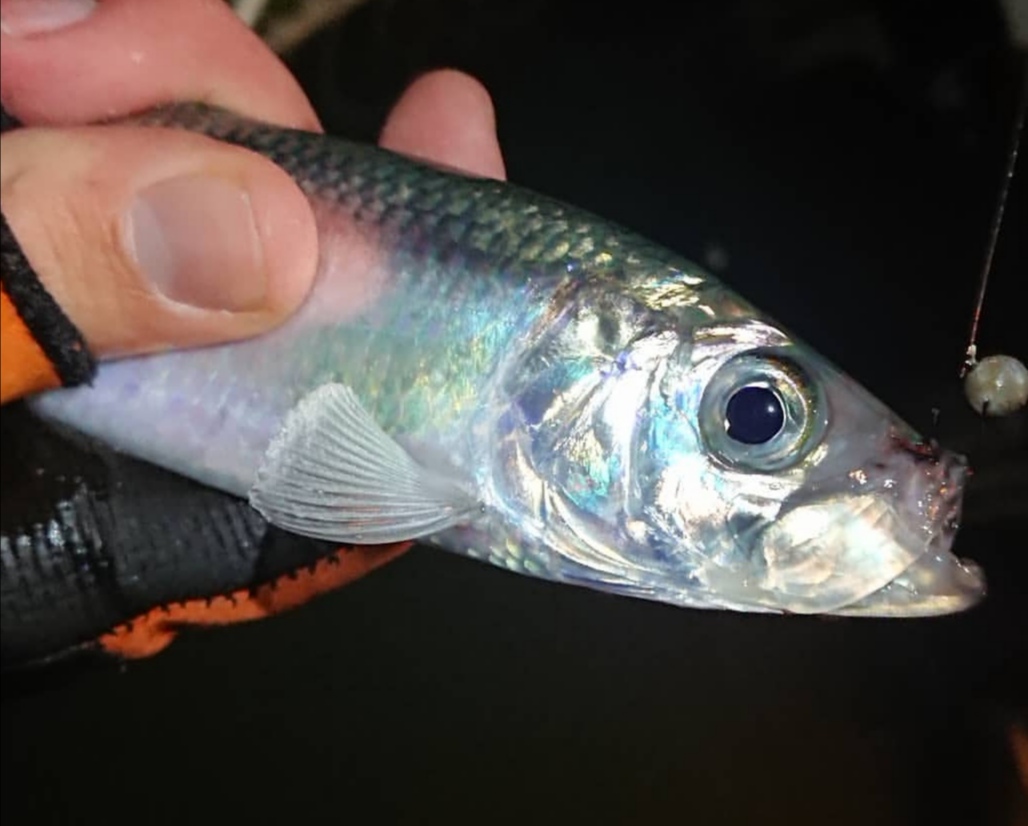
1. European pilchard (otherwise known as a sardine) – Sardina pilchardus : The year started well, we had a huge influx of pilchards into the Plymouth Sound. They weren’t always easy to tempt but I caught mine on small, pink metals, I foul hooked nearly as many as I caught legitimately though, purely because there were so many! How to tell a pilchard from a herring? Look for the smaller mouth, slimmer build and often 4-5 black spots running from along the lateral line from the gills. 2. Atlantic herring – Clupea harengus : The ‘Tamar Tarpon’ is a staple of the winter lerfing in Plymouth, I caught mine in the usual spots – under street lights and man made structure. They are aggressive but soft mouthed, the classic worm or fry imitation lure on a small jighead under 2 grams was my most successful combo. Herring will also take metals given the chance. 3. Atlantic mackerel – Scomber scombrus : I had my first mackerel on January 2nd and caught at least one in nearly every single month after that. They haven’t been around in massive numbers this year but the winter sport was very consistent, particularly at night under the lights. 4. European bass – Dicentrarchus labrax : I keep meaning to target these awesome predators more every year, I always get sidetracked by other species. That doesn’t mean I didn’t catch a lot of bass this year though, some of the sport was electric. It could be that the protections this species has had over the last few years have started to bear fruit, or it could be a natural population increase. I’m not complaining either way. When I’m schoolie bashing I use the simplest tactics possible, a 3g jighead and a small white paddletail, easy. 5. Common blenny – Lipophrys pholis : An LRF yearlist wouldn’t be complete without the shanny, a fish I don’t really need to go into detail on how to catch. I have caught them from Cornwall to Dorset, they are everywhere. 6. Long spined sea scorpion – Taurulus bubalis : It’s been the year of the scorpion for me, after a sparse 2018, they switched on big time for me. Again, they are simple to target with jigheads or dropshot. I found them to be plentiful in crevices and overhangs where they can ambush prey. 7. Garfish – Belone belone : As is usual for this species in the Plymouth Sound, we had big shoals still around in late winter. This gave me the oppurtunity to catch plenty of metals, even while temperatures were bitterly cold. Quite typically though they didn’t return until late summer, although by then the sport was superb from the local piers and harbours. 7. Atlantic pollock – Pollachius pollachius : It’s impossible not to pick up micro pollock around Plymouth and Cornwall, by spring they can be in plague proportions. Once the winter arrives though the larger fish make an appearance and crash dive their way into your heart. They are awesome fun on light gear, often hunting where there’s a bit of cover combined with current. 8. Sand smelt – Atherina presbyter : A dainty predator that often has to avoid being prey itself. If the mackerel aren’t around then these fish can shoal in huge numbers. I find if you are trying to target them they can be tricky but if you are expecting something a bit bigger they jump on your hook! Small jigheads or split shot rigs are best for them, if you are getting really frustrated then a trailing size 20 hook with a piece of Isome, fluttering behind your lure will get one. 9. European eel – Anguilla anguilla : The ultimate adaptor and often the last fish you want to catch! I managed to fluke a couple of these out from Charlestown harbour this year, including a proper beast that gave me one of the fights of the year (not the fish pictured). Being fairly rare it’s difficult to target these fish deliberately in saltwater, but occasionally one will turn up and proceed to slime and tangle up your rig. 10. European flounder – Platichthys flesus : It’s been a good flounder year and I have been lucky to catch lots of small ones culminating in the decent fishing we had in December. Dropshot with Isome has been the main provider but sight fishing with jigheads has proven the most fun. These are fantastic fish and I don’t think I could tire of catching them. 11. Giant goby – Gobius cobitis : The brute of the rockpool… Greedy, aggressive and quite dramatic looking, these are a firm favourite of mine. A protected species by law, all of mine go back to where they belong anyway. Any small lure in the right rockpools will find you one. I have actually just enjoyed feeding them large chunks of squid before, watching them rush out from under rocks to take is oddly satisfying. 12. Rock goby – Gobius paganellus : Another LRF staple, these fish are plentiful and aggressive. Their distinctive orange tipped fin gives them away. I have caught these from tiny rockpools to deep harbours, they are plentiful and good blank savers. 13. Ballan wrasse – Labrus bergylta : What a bruiser of a species, I didn’t target them enough this year but my biggest of the year (pictured) came late at night in the winter, taking a tiny piece of glowing pink Isome in Sutton Harbour. A proper surprise catch. 14. Goldsinny wrasse – Ctenolabrus rupestris : Not an exciting fish by any means but a nice fish to boost a species total. Small hooks are needed and often missed takes are because of this wrasse. They are also one of the more active wrasse species at night. 15. Lesser weever – Echiichthys vipera : A prickly customer that I have never caught in Plymouth, if I want to catch one (usually during a species hunt) then I have to go to Cornwall. In the sandy harbours they are plentiful and will take metals and paddletails like the fish pictured. Odd looking yet strangely pretty? Maybe I’m just mad. 16. Black goby – Gobius niger ; One of the bigger UK gobies and not always black. On open, muddy ground these fish reign supreme, taking most small worm type lures. I love the male that is pictured, the colours in the fins are stunning. 16. Tompot blenny – Parablennius gattorugine : The fish will all the attitude and character, a real LRF favourite. Sutton Harbour has been my most regular provider of this species. They are a common catch around the majority of deeper water marks, taking all manner of small lures, especially as the light starts to drop. 17. Common topknot – Zeugopterus punctatus : An LRF dream catch, I usually find one or two a year but not normally in bright sunshine. It was on a boiling hot day in Cornwall when I caught one this year, taking the reliable Ecogear Shirasu dropped into cover in a weedy gulley. 18. Corkwing wrasse – Symphodus melops : Another LRF regular, these small wrasse are one of the finest looking fish we can catch in the UK. Although tropical looking, they continue to feed in the colder months, giving a splash of colour to dark, dull days. Small worm lures on dropshot, weedless or jighead rigs will do well. Pick areas with cover, often a rock jutting up from clean ground can be surprisingly full of life. 20. Pouting – Trisopterus luscus : Not a fashionable fish but quite often a blank saver. Pout are surprisingly strong fighters, particularly on rough ground. In amongst the boulders of Mount Batten Pier gave me the most reliable sport. They take most small lures, especially if scented. 21. Whiting – Merlangius merlangus : I have caught so many pin sized whiting this year, mostly on metals while targeting larger species. The bigger specimens go like rockets on LRF tackle. 22. Grey gurnard – Eutrigla gurnardus : Before May 2019 I had never caught a grey gurnard before, now I have been lucky to catch a few, all on metals. These small fish are quick and aggressive, while being truly beautiful. What a lovely species. 23. Tub gurnard – Chelidonichthys lucerna : 2019 was also by best year for tub gurnard, with regular trips to beach marks to catch them on metals. For beauty and joy, this species is unmatched. 24. Common dragonet – Callionymus lyra : I’m pretty sure I have had both reticulated and common dragonet this year, but as I’m struggling to find a definitive photo of either, i will stick with the one species. Something to work on in 2020 I think, watch this space… And watch those gill spines!25. Atlantic horse mackerel (Scad) – Trachurus trachurus : What summer evenings are all about. Using various small lures under street lights getting your arm pulled off by these turbocharged pelagics, it’s a pleasure that even I take for granted sometimes. 26. Montagu’s blenny – Coryphoblennius galerita : An easily overlooked blenny, the north coast of Cornwall provides excellent habitat for them. You need to go small though, size 20 or smaller and a speck of Isome. 27. Poor cod – Trisopterus minutus : Of all the places I have caught poor cod, Falmouth was the most surprising. They are everywhere there, as common as pollock in Plymouth. They aren’t impressive fish but are a nice way to boost a species haul. 28. Sand goby – Pomatoschistus minutus : The tiny terror, hunting down your lure in packs and teasing you with bites you mistakenly think are something larger. A greedy species that I caught plenty of over the year on clean ground. 29. Painted goby – Pomatoschistus pictus : A tiny species but an absolute jewel. I had only caught one of these before in my life, before a session in Fowey produced many. They are a localised fish, very common if you can find them but completely absent from most marks. Easily mistaken for sand gobies and inhabit the same ground, these attractive gobies are worth targeting just to marvel at their miniature beauty. 30. Ringneck blenny – Parablennius pilicornis : My most surprising and pleasing catch of the year, a true rarity. I may not catch another of these in my lifetime, or they may become much more common as our waters warm… we shall see. 31. Thick lipped grey mullet – Chelon labrosus : I have caught decent mullet before on lures, not this year though. My only lure caught mullet was a teeny little fish in Padstow harbour. I caught it by trailing a tiny piece of Isome on a size 22 hook from my larger jighead. A good technique to catch smaller, frustrating species.
Thanks for supporting the blog over the last year and I wish you a fruitful 2020 and plenty more species. I have plenty of ideas for more articles over the next year so please do follow my page on Facebook to keep up to date. In the meantime here are some links to more fish and lure filled goodness. My page on Facebook My page on Instagram Richard Salter aka Devon Lerfer – on YouTube and on Facebook. Dom & Andy’s unmissable new lure fishing book Adam Kirby’s brilliant lure fishing blog The LRF/Light Game Fishing Group on Facebook Neil Sutherland at Aquazid Studio – LRF based T shirt designs and more Simon Kingdom at Osborne & Cragg – Plymouth based tackle shop with a great selection of lures and everything else The Art Of Fishing website